Drain Repairs vs Drain Relining: Which Solution Is Right for Your Twickenham Home?
When it comes to maintaining your property's drainage system in Twickenham, knowing the right repair method for a damaged drain can save you time, money, and hassle. Drain issues often arise unexpectedly—from blockages to cracks or collapses—and choosing between traditional excavation repairs and modern drain relining is an important decision.
Both methods aim to restore the integrity of your drainage pipes, but they differ significantly in approach, cost, disruption, and suitability depending on the extent and type of damage. Understanding these differences will help local homeowners across Twickenham, London, and nearby towns like Ashford or Brentford make an informed choice.
What Is Traditional Drain Repair?
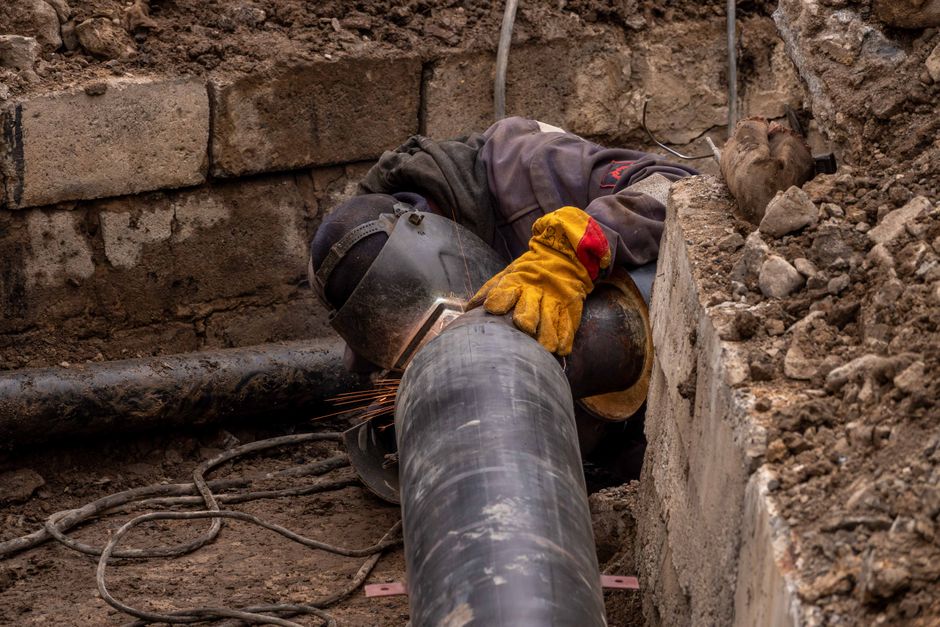
Traditional drain repair involves excavating the ground above the damaged pipe to access and replace or repair the affected section. This method has been standard practice for many years and is often necessary when drains have severe structural issues that cannot be fixed from within the pipe.
In Twickenham and surrounding places such as Egham or Feltham, traditional repairs may require digging up gardens, driveways, or property boundaries, which can be disruptive and time-consuming. Despite this, it is still the most suitable option in instances of significant pipe collapse or root intrusion where relining might not provide a durable solution.
The excavation process allows for a thorough inspection and replacement of damaged pipe sections with new materials, potentially extending the life of your drainage system significantly. However, it’s important to factor in post-repair restoration costs alongside the repair itself.
Understanding Drain Relining: The No-Dig Alternative
Drain relining is a modern, trenchless technique that repairs damaged pipes without excavation. Instead, a flexible liner coated with resin is inserted into the existing pipe, then inflated and cured to form a durable new pipe within the old one. This minimally invasive method has become increasingly popular among Twickenham homeowners seeking faster, less disruptive repairs.
Because relining does not require digging up your garden or driveway, it is particularly beneficial in areas with limited outdoor space or where property access is restricted, such as in dense residential areas of Hampton or Isleworth. It also typically results in lower labour costs and reduced mess.
Relining is highly effective for addressing cracks, leaks, and minor collapses, but it is not always suitable if the pipe has collapsed extensively or is severely blocked by tree roots. In these cases, professional drainage surveys can help determine if relining is the best option.
Pros and Cons of Traditional Drain Repair
One major advantage of traditional excavation is the ability to replace completely damaged pipe sections, which sometimes can be the only solution for severe problems. It allows full access for inspection and repairs, often leading to a more permanent fix.
However, this method has clear downsides. Excavations can cause significant disruption to gardens, driveways, and landscaping, which may be particularly unwelcome in established residential areas of London like Teddington or Hounslow where outdoor spaces are valued.
Additionally, the repair process usually takes longer and involves higher labour costs due to the manual excavation and subsequent restoration work. Noise, dust, and limited property access during the repair period are also common concerns for homeowners.
Pros and Cons of Drain Relining
The biggest benefit of drain relining is the minimal disruption it causes. Since it avoids digging, your garden or driveway stays largely intact, which is appealing for homeowners in Twickenham’s busy neighbourhoods or places like Shepperton.
Relining can often be completed within a day, reducing inconvenience and allowing normal property use to resume quickly. It is also a cost-effective option in many cases, as less labour and restoration work are required.
On the other hand, relining may not be suitable for all types of damage. If the existing pipe is too badly collapsed or blocked by roots, the liner might not fit correctly or provide a reliable seal. Furthermore, relining typically reduces the internal diameter of the pipe slightly, which could impact flow capacity in older, narrow drains.
How to Decide Which Repair Method Suits Your Drain
The choice between traditional repair and relining largely depends on the severity and nature of the damage. A professional CCTV drain survey is essential to assess the condition of the pipes accurately and identify underlying issues such as root ingress, cracks, or collapses.
For minor to moderate damage with intact pipe structure, relining tends to be the preferred option due to its speed and lower disruption. However, if the pipe has significant structural failure or extensive blockages—as may be the case for older properties in London or commercial premises in nearby towns like Staines-upon-Thames—traditional excavation might be necessary.
Local factors such as property type, garden layout, and access also influence the decision. Properties in tightly built-up areas of Twickenham or Feltham with limited outdoor space benefit more from no-dig solutions, while houses with spacious gardens may tolerate excavation better.
What to Expect During Drain Repairs or Relining
With traditional repairs, you should anticipate initial ground works to expose the damaged pipe, which may involve breaking up concrete or digging through soil. The damaged sections will then be removed and replaced before restoring the surface to its original condition.
Depending on the extent of the excavation, it can take several days to weeks to complete the job, including allowing soil to settle if landscaping or paving is disturbed. You may also need to plan for alternative access arrangements around your property during this time.
For relining, the process is generally quicker and cleaner. After a CCTV survey, the liner is fed into the pipe and inflated to adhere to the interior walls. UV light or ambient heat cures the resin, forming a hard, seamless pipe within the old one. Most relining jobs finish within a day, with minimal noise or mess, letting your household return to normal swiftly.
Maintenance Tips to Avoid Future Drain Damage
No matter which repair method you choose, regular maintenance can greatly reduce the likelihood of future drainage problems. In Twickenham and neighbouring towns like Sunbury-on-Thames or Ashford, periodic drain inspections using CCTV can catch issues before they escalate.
Avoid pouring grease, fats, or unsuitable substances down your drains, as these can cause blockages. Similarly, be cautious about planting trees or shrubs near underground pipes, since root intrusion is a common cause of damage.
If you notice slow drainage, unpleasant smells, or gurgling sounds, arrange for a professional assessment promptly. Early intervention often means less invasive and less costly repairs, helping to keep your drainage system functioning efficiently.
Need a drainage expert in Twickenham?
Call 020 3092 1334